The brief
Facebook advertising in 2017 was extraordinarily powerful — and extraordinarily difficult to use. The platform had become so complex that most small and medium businesses either couldn't use it properly or were wasting significant budget through poor campaign structure and targeting. Filed was built to change that.
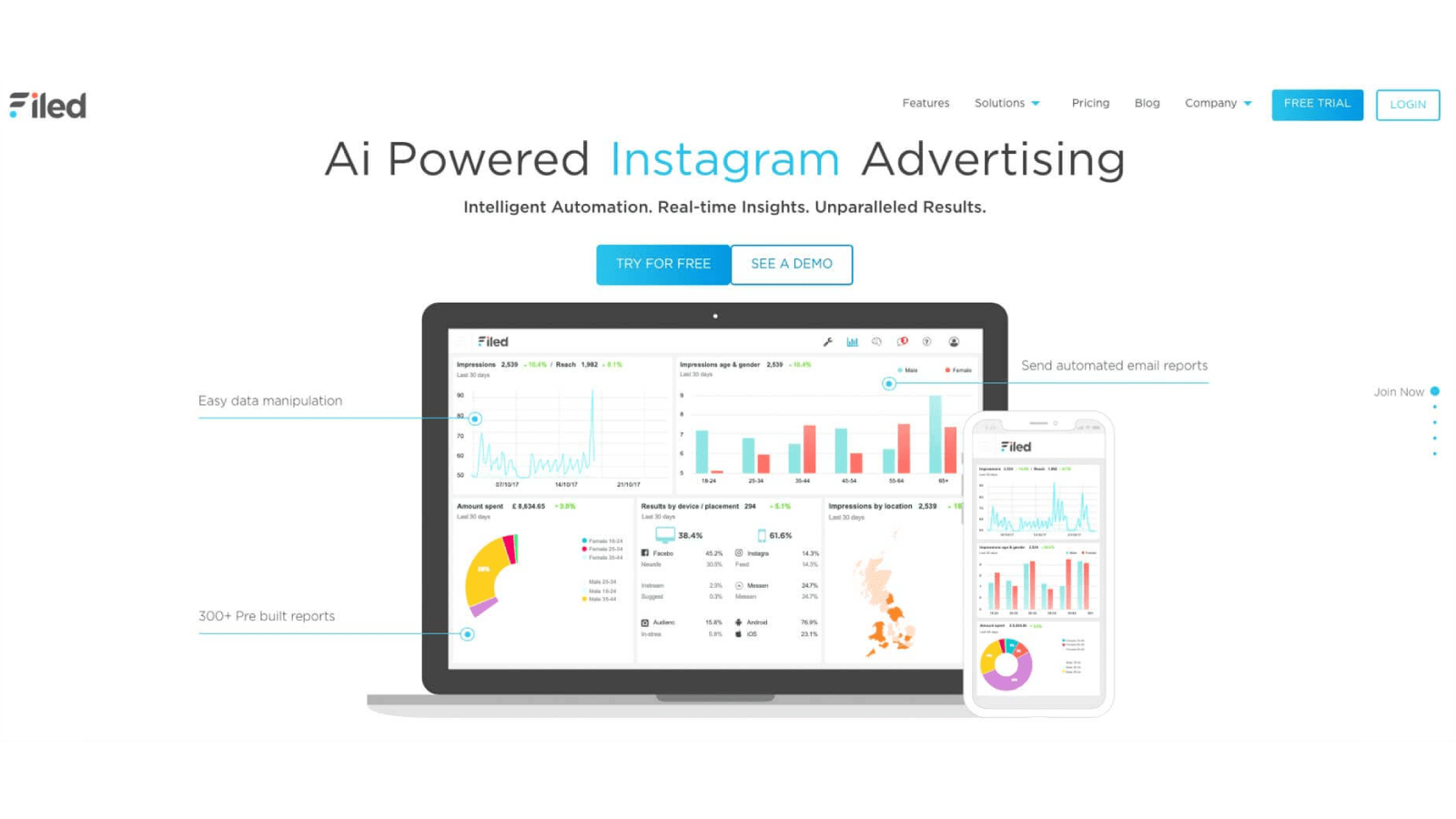
The proposition was genuinely ambitious: an AI engine that would learn what campaigns worked in your specific industry, guide you through the process of building them, and then optimise them in real time once they were live. I worked alongside an AI specialist who built the engine itself — my role was to design everything the user actually saw and experienced.
The brand challenge
Most AdTech brands look the same — cold blues, dark interfaces, charts everywhere, language full of jargon about performance and conversion. That visual language signals credibility to enterprise buyers but it intimidates the SMB market Filed was primarily targeting.
The brand needed to feel like it was on your side — approachable and human enough for a small business owner, technically credible enough for a performance marketer. That's a harder balance than it sounds.
The brand needed to feel like it was built for people who wanted results, not people who wanted to understand algorithms.
Visual identity decisions
The most deliberate decision was the colour palette. I chose sky blue and coral — warm, energetic and distinctly human — specifically to break away from the cold corporate blues that dominated the AdTech space. The palette said "friendly and capable" rather than "technically impressive but intimidating."
Colour palette
Sky blue and coral were chosen to differentiate Filed from the cold blues and greys dominating AdTech. The palette was designed to feel approachable, optimistic and human while retaining credibility.
Typography & tone
Clean, modern sans-serif throughout — no serif heritage, no aggressive display fonts. The typographic system needed to work across marketing materials and product UI without feeling like two different brands. Language focused on outcomes, not technology.
Illustration system
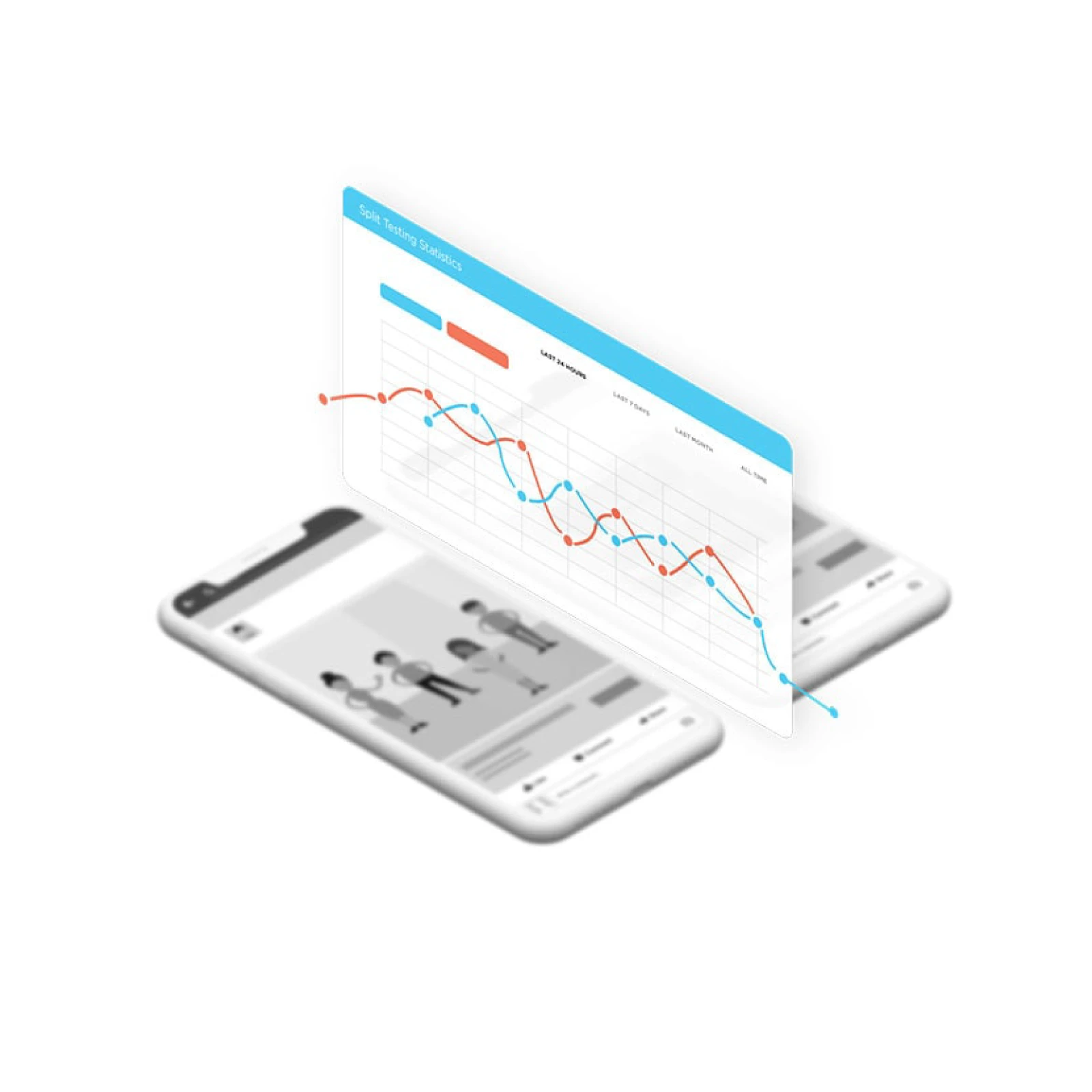
Isometric 3D illustrations rather than product screenshots for marketing materials — a deliberate choice to explain complex concepts visually without exposing the product before it was ready, and to give the brand a distinctive visual style competitors couldn't easily replicate.