The problem
Most people don't have access to a personal stylist — someone who can look at you properly and tell you what actually suits your shape and colouring, rather than what's currently on the rails. MyStylist was an independently funded startup trying to solve that problem through a guided ecommerce experience.
I was brought in on a freelance basis in 2020 to build the brand identity and design the website from scratch.
What made it hard
The design challenge had three distinct parts, and getting all three right at the same time was the difficult bit.
Simplicity of system
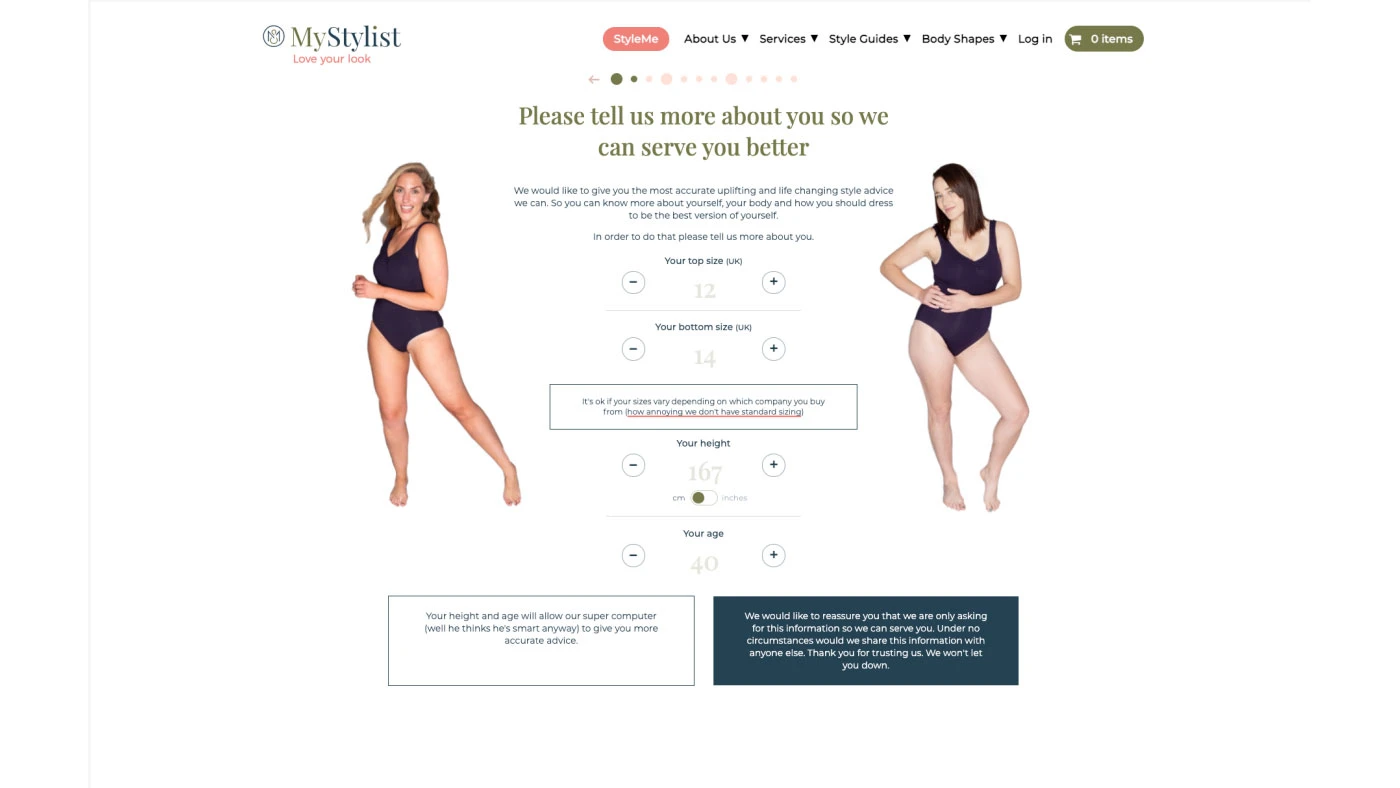
The user journey needed to guide women through shape and colour analysis without friction — clear information architecture, minimal cognitive load, and a progressive disclosure model that introduced complexity only when users were ready for it.
Fashion-literate aesthetic
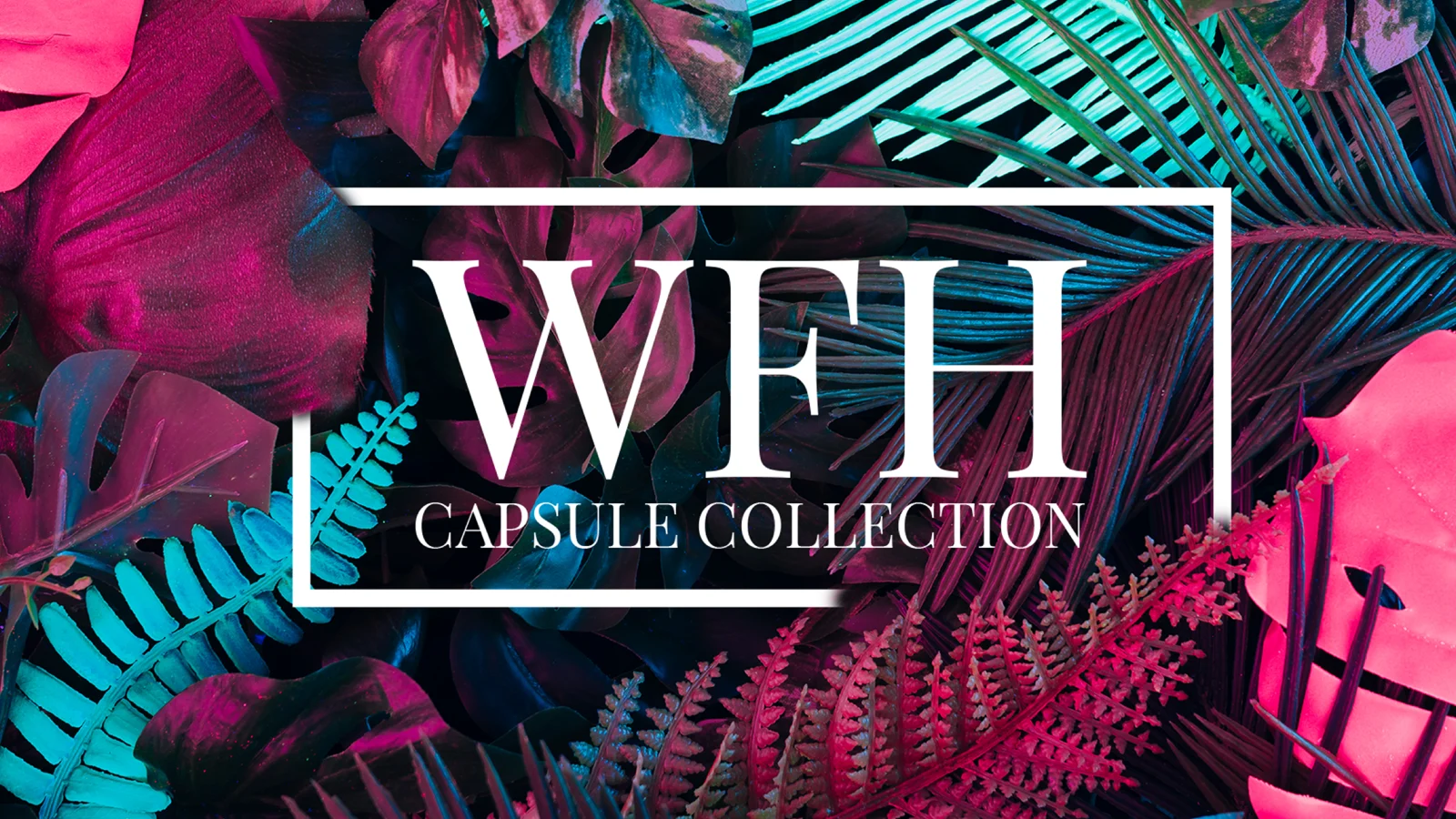
The visual identity and UI needed to feel like a proper fashion destination — editorial typography, a considered colour palette, and a design system that sat comfortably between lifestyle content and ecommerce without feeling like either a magazine or a shop.
Authentic photography
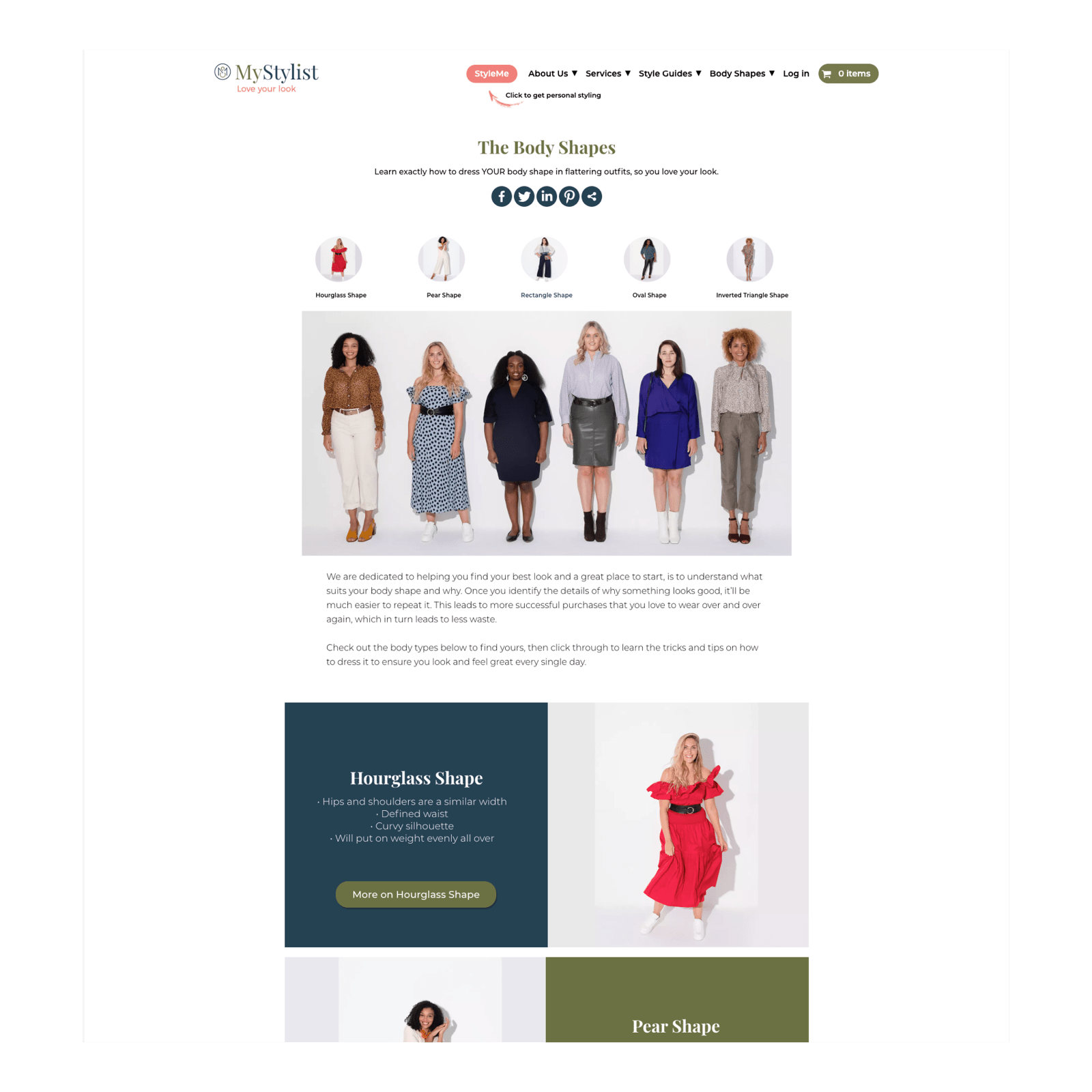
Standard fashion casting would undermine the whole proposition. The art direction needed to use models who looked like the actual audience — different shapes, sizes and ages — so the styling advice felt credible and the photography didn't put women off before they'd started.
The site needed to feel like a knowledgeable friend giving you honest advice — not a fashion brand talking at you.
What I did
I developed the full brand identity — logo, typographic system, colour palette, tone of voice and brand guidelines — and led the UX and visual design of the website from concept through to build-ready specifications.
The information architecture was built around a content-first model — body shape and colour guidance came before any product was surfaced. That sequencing was a deliberate UX decision: users needed to understand and trust the system before product recommendations would feel credible rather than generic.
- Brand identity and design system built to bridge editorial fashion and practical utility — refined enough to earn trust, approachable enough not to intimidate.
- User journey structured so guidance led — product followed as a natural consequence of the advice, not a separate transaction.
- Outfit recommendations presented as styled complete looks rather than individual product listings, reducing decision fatigue and reinforcing the styling logic.
- Art directed photography across 15 models — casting specifically chosen to represent a realistic range of shapes, sizes and ages rather than standard fashion industry norms.
- Tone of voice developed alongside the visual system to feel consistent across guidance content, product description and interface copy.